
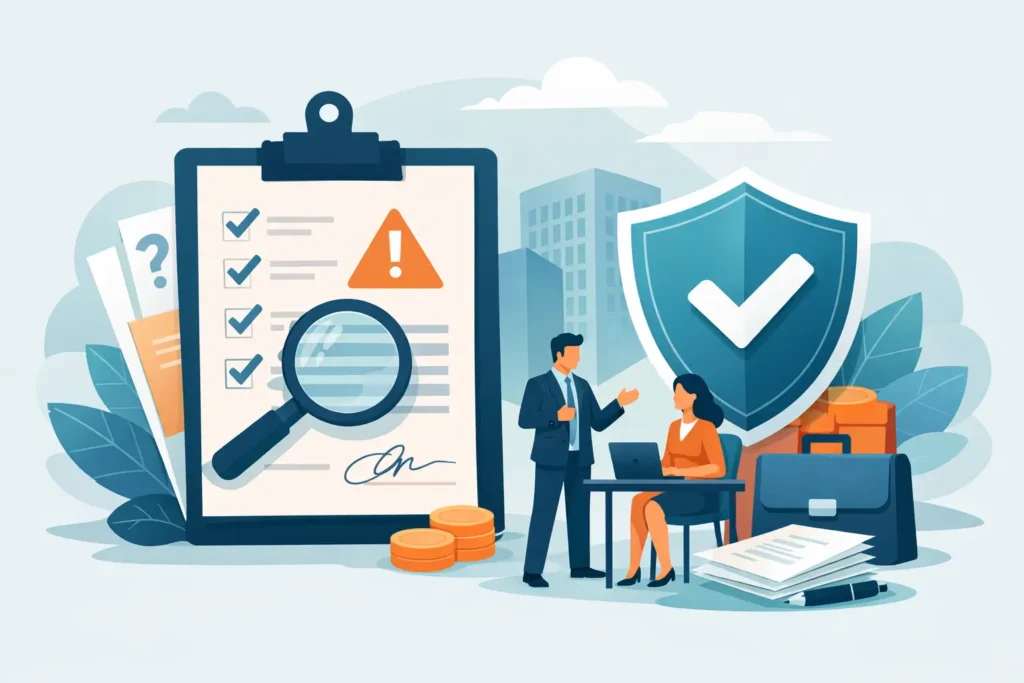
A client says your advice cost them money. A deadline was missed. A report included an error. Even when you acted in good faith, a professional mistake – or an allegation of one – can turn into an expensive claim fast. That is why errors and omissions insurance explained in plain English matters for business owners and professionals who provide services, advice, or specialized work.
Errors and omissions insurance, often called E&O insurance, helps protect your business if a client claims your professional services caused them a financial loss. It is designed for situations where the issue is not a bodily injury or property damage claim, but a professional error, missed detail, oversight, negligent act, or failure to deliver services as expected. For many businesses, this coverage can be the difference between handling a dispute and absorbing a serious financial setback.
What errors and omissions insurance explained really means
At its core, E&O insurance is a form of professional liability coverage. If a client alleges that your work was incorrect, incomplete, late, or failed to meet professional standards, the policy may help pay for legal defense costs, settlements, or judgments, up to the policy limits.
The key word here is alleges. You do not always have to be wrong to face a claim. A client can sue because they believe your advice, design, recommendation, or service caused them harm. Even if the claim has little merit, responding to it still costs time and money.
That is what makes this coverage so valuable. It is not only about paying damages. It is also about having support when you need to defend your work.
Who usually needs E&O coverage
This insurance is commonly associated with accountants, consultants, real estate professionals, insurance agents, architects, engineers, and attorneys. But the need goes much wider than that.
Any business that gives advice, offers professional expertise, manages client information, creates plans, or delivers specialized services should consider it. That includes marketing firms, technology providers, designers, healthcare-related businesses with non-medical professional exposures, and many independent contractors.
Small businesses often assume E&O is only for large firms with complex operations. In reality, smaller businesses may be more vulnerable because one lawsuit can put significant pressure on cash flow. If your reputation and revenue depend on clients trusting your judgment, E&O deserves a serious look.
What E&O insurance typically covers
Coverage varies by carrier and policy form, but most E&O policies are built to address claims tied to professional services. That can include mistakes in your work, omissions, inaccurate advice, missed deadlines, misrepresentation, and in some cases defense costs related to claims of negligence.
For example, imagine a consultant recommends a process that does not perform as promised and the client says it caused financial loss. Or a real estate professional leaves out a key detail that becomes a problem after closing. Or a technology provider makes an error during implementation that disrupts a client’s operations. These are the kinds of scenarios E&O coverage is meant to address.
Some policies also include coverage enhancements tailored to certain industries. A cyber-related business may need policy language that addresses technology services. A firm in a regulated industry may need wording that reflects the specific risks of its field. This is where a one-size-fits-all approach can fall short.
What it usually does not cover
This is where clients often get caught off guard. E&O insurance is not a blanket solution for every business problem.
It generally does not cover bodily injury or property damage claims, which are typically handled by general liability insurance. It also may not cover intentional wrongdoing, criminal acts, fraud, or claims arising from known issues that existed before the policy started. Contract disputes can also be tricky. If you simply fail to deliver what a contract promised, coverage may depend on the policy wording and the exact nature of the claim.
Another important point is that many E&O policies have exclusions related to cyber events, employment practices, or certain regulatory matters unless those exposures are specifically included. If your business handles sensitive data, works in a highly regulated sector, or provides advice in a niche field, the details matter.
Claims-made coverage and why timing matters
Most E&O policies are written on a claims-made basis. That means the policy generally responds when the claim is made during the active policy period, not just when the work happened.
This is different from some other types of insurance and it creates an important coverage issue. If you let your policy lapse, switch carriers without the right protections, or fail to report a claim in time, you could have a gap. That matters because professional liability claims are not always immediate. A mistake made months or even years ago may not come to light until later.
That is why continuity is so important. Businesses changing policies often need to pay close attention to retroactive dates, prior acts coverage, and any available extended reporting period. These are technical details, but they have real consequences if a claim surfaces after a policy change.
Errors and omissions insurance explained with real-world examples
A financial professional recommends a strategy that a client later says caused avoidable losses. An event planner overlooks a key vendor requirement, forcing the client to spend more to fix the issue. A graphic designer uses the wrong approved file, delaying a product launch. An IT consultant misconfigures a system and the client claims the downtime hurt revenue.
In each case, the central issue is the same. The client is not saying the business caused a car accident or damaged a building. The client is saying the professional service itself caused financial harm. That is the lane where E&O coverage operates.
Still, every claim turns on facts. Was there negligence? Was there a breach of contract? Did the policy define the service correctly? Did the business report the claim promptly? These questions affect how coverage applies.
How much coverage a business may need
There is no universal number that fits every business. The right limit depends on the size of your contracts, the type of work you perform, how costly a client’s loss could be, and whether your industry is more likely to see litigation.
A solo consultant may need a different limit than a firm handling large commercial accounts. A business working with high-net-worth clients or major corporate customers may want higher limits because the potential claim value is greater. Deductibles matter too. A lower premium with a much higher deductible is not always a bargain if a claim would strain your budget.
This is also one of those areas where contractual requirements come into play. Some clients require vendors to carry specific E&O limits before signing an agreement. Meeting those requirements is part of doing business in many industries.
Choosing the right policy without guesswork
The best starting point is not price. It is understanding your actual professional exposure.
That means looking closely at the services you provide, the promises you make in contracts and proposals, the industries you serve, and the kinds of financial harm a client could claim. Policy wording should match how your business really operates. If your services have evolved over time, your coverage should keep up.
It also helps to work with an agency that can explain the differences clearly. Two E&O policies may look similar at a glance, but the definitions, exclusions, endorsements, and claims handling provisions can be very different. For businesses in New Jersey, New York, and Florida, NewEdge Insurance Agency often helps clients sort through those details in practical terms so coverage is easier to understand and easier to trust.
Why clear advice matters with professional liability
E&O insurance is one of those coverages that seems simple until a claim happens. Then every word in the policy matters. That does not mean business owners need to become insurance experts. It does mean they should ask questions, especially about exclusions, reporting requirements, retroactive dates, and whether the policy reflects the full scope of their services.
Good coverage should support the way you work, not leave you guessing after a complaint arrives. If your business earns its income through expertise, recommendations, planning, or specialized service, professional liability protection is not just another policy on a checklist. It is part of protecting the reputation and financial stability you have worked hard to build.
The right conversation about E&O coverage can save a great deal of stress later, especially when your business depends on trust as much as talent.