
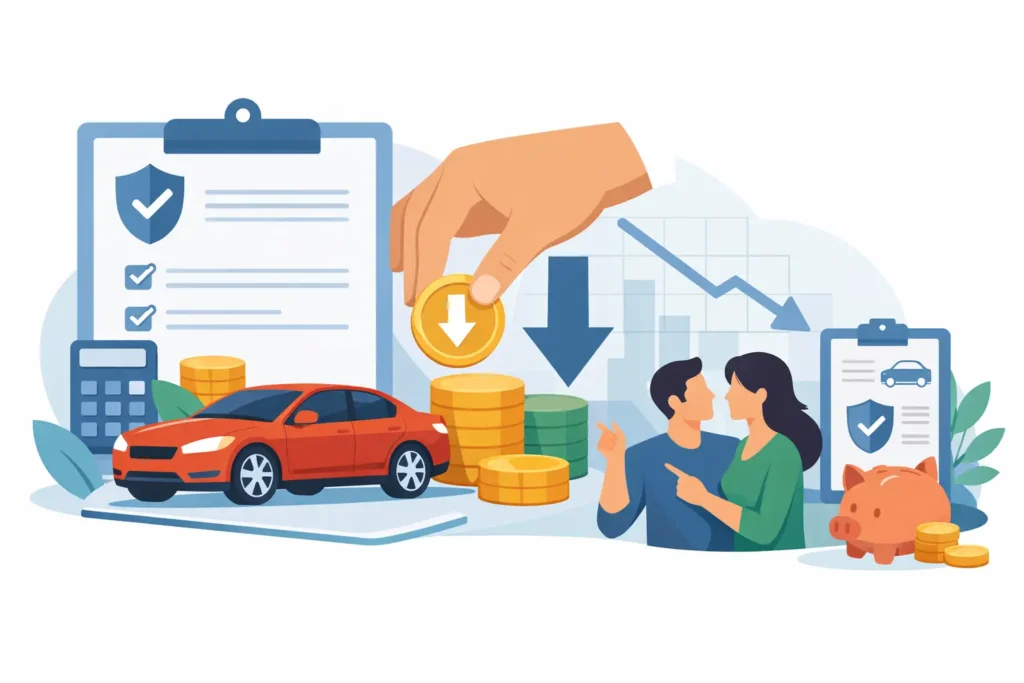
A higher renewal bill can feel frustrating, especially when your driving habits have not changed. Learning how to lower car insurance premium costs starts with looking beyond the price alone. The goal is to pay less where it makes sense while keeping enough protection to safeguard your vehicle, savings, and family after a serious accident.
Car insurance pricing is personal. Your location, vehicle, driving record, annual mileage, coverage limits, claims history, credit-based insurance score where permitted, and household drivers can all affect the premium. A change that helps one driver may not be right for another. That is why a thoughtful policy review is usually more valuable than simply choosing the lowest quote.
Start With the Coverage You Actually Need
The fastest way to reduce a premium is often to lower coverage, but that can create an expensive gap when an accident happens. State-required liability limits are a starting point, not always a complete financial protection plan. If you cause a serious crash, low limits may be exhausted quickly, leaving your personal assets exposed.
Instead of cutting essential liability protection, review the parts of the policy that may no longer match your situation. For example, collision and comprehensive coverage can be worth reconsidering on an older vehicle with a low market value. If the annual cost of those coverages, plus your deductible, is close to what the car would realistically pay out, keeping full physical damage coverage may not make financial sense.
That decision depends on more than the car’s value. Ask whether you could afford to repair or replace the vehicle yourself after a covered loss. If the answer is no, dropping coverage simply to save money may create more risk than relief.
Raise Your Deductible Carefully
Your deductible is the amount you pay out of pocket before collision or comprehensive insurance pays for a covered claim. Choosing a higher deductible can lower your car insurance premium because you are taking on more of the cost of a smaller loss.
This can be a practical move for a driver with emergency savings and a good claims history. But it should not be a number selected only because it produces the lowest premium. A $1,000 or $2,000 deductible is only useful if you could pay it without relying on a credit card or delaying a necessary repair.
Consider placing the difference you save in a dedicated emergency fund. That gives the lower premium a purpose and makes the higher deductible manageable if you ever need to file a claim.
Ask About Discounts You May Already Qualify For
Many drivers miss discounts because their policy has not been reviewed since it was first written. Insurers often offer savings based on how you drive, how you pay, the safety features in your vehicle, and the way your household is insured.
Common opportunities include safe-driver discounts, multi-car discounts, bundling auto and home or renters insurance, paperless billing, automatic payments, paying in full, and discounts for certain anti-theft or safety equipment. Students may qualify for good-student savings, while some drivers can benefit from approved defensive driving courses or low-mileage programs.
Telematics programs are another option. These programs use an app or device to measure driving patterns such as braking, mileage, speed, and time of day. They can reward consistently safe driving, but they are not the best fit for everyone. Before enrolling, understand what information is collected, how the program calculates savings, and whether poor driving results could affect your rate at renewal.
Keep Your Driving Record Working for You
Safe driving remains one of the most meaningful ways to control insurance costs over time. Tickets, at-fault accidents, and frequent claims can increase rates because they indicate a greater likelihood of future losses. One incident does not define a driver forever, but a clean record can be valuable when insurers evaluate your policy.
Small habits matter. Avoid distracted driving, leave space between vehicles, slow down in poor weather, and make sure every regular driver in the household understands the expectations behind the wheel. For families with newly licensed teens, clear rules about nighttime driving, passengers, phone use, and speeding can protect more than the monthly premium.
If you have had a violation or accident, ask whether an approved course, additional time without incidents, or a future policy review could improve your options. Rates often change as older incidents have less impact, although the timeline varies by insurer and state.
Make Sure Your Vehicle Still Fits Your Budget
The vehicle you drive affects the cost to insure it. Repair costs, theft rates, safety technology, crash performance, replacement parts, and the likelihood of costly claims can all influence premiums. A vehicle with advanced safety features may qualify for certain savings, but expensive sensors, cameras, and specialized parts can also make repairs more costly.
Before buying or leasing another vehicle, get insurance estimates for the models you are considering. This is particularly helpful for luxury vehicles, high-performance cars, electric vehicles, and vehicles that have expensive replacement parts. The purchase price is only one part of ownership cost.
If you are financing or leasing, your lender may require collision and comprehensive coverage. You may also need gap coverage if you owe more than the vehicle is worth. Those requirements are worth considering before you make a change to save on insurance.
Review Mileage, Drivers, and Garaging Details
Insurance quotes depend on accurate information. If your work schedule has changed, you now work from home, or you drive far fewer miles than before, tell your insurance professional. Lower annual mileage may create an opportunity for savings.
The same is true when a household driver moves out, a child takes their own policy, or a vehicle is no longer used regularly. However, do not remove a person who still drives your car or lives in your home without discussing it first. Insurers may have rules about household members and regular operators, and inaccurate information can complicate a claim.
Where the car is primarily kept also matters. A move within New Jersey, New York, or Florida can change rates, sometimes significantly. Updating the address, commute, vehicle use, and drivers promptly helps keep the policy accurate and ensures your quote reflects your real circumstances.
Shop Policies, Not Just Prices
Comparing coverage periodically is one of the most reliable ways to find out whether your current premium remains competitive. But a quote comparison should be apples to apples. A lower price may come from lower liability limits, a higher deductible, missing rental reimbursement, or fewer protections after an uninsured driver causes damage.
Look at the full picture: liability limits, uninsured and underinsured motorist coverage, collision and comprehensive deductibles, roadside assistance, rental reimbursement, and any exclusions or restrictions. If you own a home, have savings, or have a growing family, consider whether an umbrella policy should be part of the conversation as well.
An independent agency can help compare options while explaining what is changing between policies. At NewEdge Insurance Agency, the focus is not simply finding a lower number. It is helping clients understand the protection behind that number, so a savings decision does not create a surprise later.
How to Lower Car Insurance Premium Without Creating Gaps
The best savings strategy usually combines several reasonable adjustments instead of one dramatic cut. You might choose a deductible that fits your emergency fund, report lower mileage, qualify for a bundle discount, and compare carriers at renewal. Together, those moves may reduce costs while preserving the coverage that matters most.
Avoid canceling a policy before a replacement policy is active, and be cautious about letting coverage lapse. A lapse can make future insurance more expensive and leaves you exposed if an accident occurs during the gap. It is also wise to review changes after major life events, including marriage, divorce, a new driver, a move, retirement, or buying a different vehicle.
A lower premium should feel like a well-considered improvement, not a gamble. A short coverage review can clarify where savings are available and where maintaining stronger protection is the smarter choice for the road ahead.