
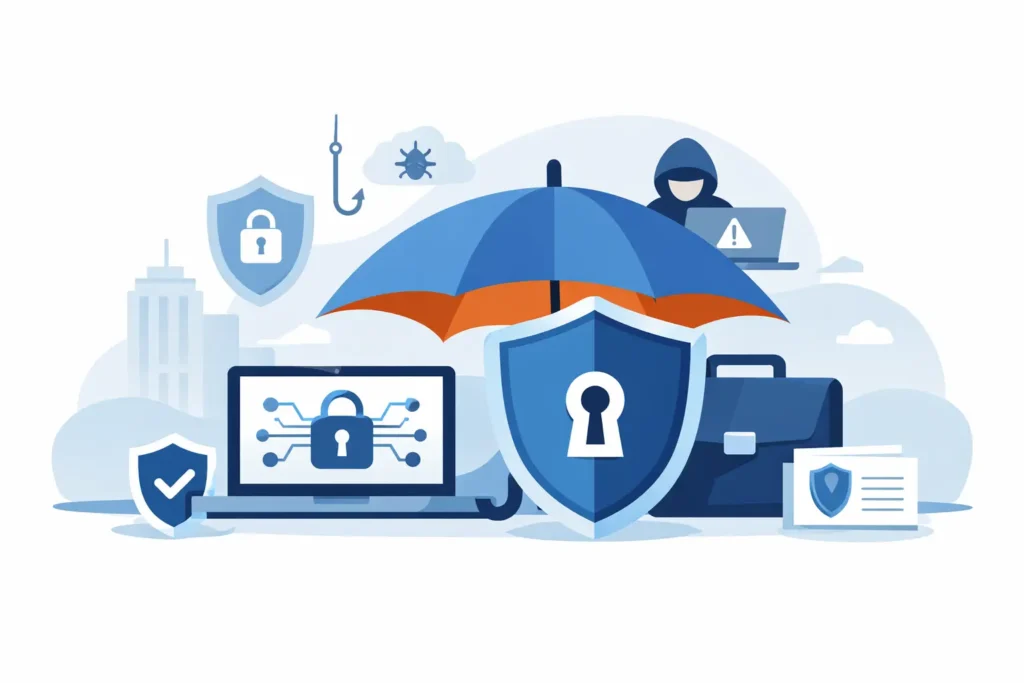
A single suspicious email can set off a very expensive week. Payroll gets delayed, customers cannot place orders, systems go offline, and suddenly a business owner is juggling IT vendors, legal questions, and worried clients. That is usually the moment people ask, when do businesses need cyber insurance? The honest answer is often earlier than they think.
Cyber insurance is no longer just for large corporations with in-house tech teams. Small and mid-sized businesses are frequent targets because they often handle valuable data but have fewer internal security resources. If your company stores customer information, accepts online payments, relies on email, uses cloud software, or would lose money from downtime, cyber risk is already part of your business risk.
When do businesses need cyber insurance in practical terms?
Most businesses need cyber insurance as soon as a cyber incident could interrupt operations, create liability, or force the company to spend money on recovery. That threshold arrives earlier than many owners expect.
A retail store with a point-of-sale system may need it because credit card data and payment processing create exposure. A law firm may need it because client files, confidential emails, and deadlines make both privacy and business interruption concerns very real. A contractor may need it because invoices, banking details, and vendor communications can be manipulated through phishing or social engineering. Even a company with only a handful of employees can face major costs after a ransomware event or data breach.
This is where many owners get tripped up. They assume cyber insurance is only necessary if they are collecting medical records, running an ecommerce platform, or managing thousands of customer files. Those are obvious cases, but they are not the only ones. Sometimes the deciding factor is not how much data you hold. It is how badly your business would be affected if your systems were locked, your email was compromised, or private information was exposed.
The clearest signs your business may need cyber insurance
If your business checks even a few of these boxes, it is worth taking cyber coverage seriously.
You store customer or employee information. That could include names, addresses, Social Security numbers, payment details, health information, tax records, or even internal HR files. If that information is breached, the response costs can add up quickly.
You depend on technology to run day-to-day operations. If your scheduling platform, accounting software, phones, website, or cloud systems go down, revenue may stop even if your doors stay open.
You send or receive payments electronically. Wire fraud, invoice manipulation, and email compromise are common problems for businesses of every size.
You work with vendors or outside platforms that connect to your systems. A cyber event at a third party can still create fallout for your company.
You operate in a regulated field or one built on client trust. Professional firms, healthcare-related businesses, real estate companies, financial services, and cannabis businesses often face added pressure because sensitive information and compliance concerns are part of the job.
None of these signs guarantees a claim, of course. But together they show how quickly cyber exposure becomes a business issue, not just an IT issue.
Industry matters, but not in the way many owners think
Some industries are more obvious fits for cyber insurance. Healthcare practices, law firms, accounting firms, retailers, manufacturers, and technology companies all face clear cyber risks. But industry alone does not decide the question.
A small local business in New Jersey or Florida may have fewer records than a national company, yet still face a painful loss from a hacked email account or a ransomware attack. A family-run office that values close client relationships can suffer real reputational damage if customers lose confidence after a cyber event. In that sense, the need for coverage is often tied to operations and exposure, not just business size or sector.
That said, certain businesses should look at cyber insurance sooner rather than later. Companies with remote employees, businesses using online booking or ecommerce tools, firms handling sensitive client materials, and regulated industries should not treat cyber coverage as optional without a careful review.
Why general liability and property insurance usually are not enough
A common misconception is that an existing business policy will handle cyber incidents. In many cases, it will not.
General liability insurance is designed for different kinds of claims, such as bodily injury or property damage involving third parties. Commercial property insurance may help with physical loss to covered property, but cyber events often involve digital assets, data restoration costs, extortion demands, forensic investigations, notification expenses, and lost income caused by system failure. Those are separate exposures.
Some business owners also assume their software vendors or payment processors will absorb the damage. Sometimes those contracts provide limited support, but they rarely protect your business from all the direct and indirect costs that follow an incident. If your clients sue you, if regulators require notification, or if operations stop for several days, those expenses can still land with your business.
What cyber insurance can help cover
Cyber policies vary, so the details matter. In plain terms, many policies are designed to help with both first-party losses and third-party claims.
First-party coverage may help with expenses like forensic investigation, data recovery, ransomware response, business interruption, crisis management, and notification costs. Third-party coverage may help if others claim they were harmed by a breach, privacy failure, or security event tied to your business.
The key point is that cyber insurance is not just about replacing stolen money. It is often about helping a business respond quickly and limit the damage. That response support can be just as valuable as the financial protection, especially for smaller companies without internal cyber teams.
When waiting becomes the expensive choice
Many businesses buy cyber insurance only after a close call. An employee clicks a fake invoice. A website goes down. A client asks whether the company carries cyber coverage before signing a contract. Those are warning signs, but they are not ideal starting points.
It usually makes more sense to review cyber insurance before one of those moments happens. The right time is often when your business starts collecting more information, moving more work online, adding employees, using more outside platforms, or growing into new markets. Growth tends to expand cyber exposure quietly. What felt manageable a year ago may no longer be a small risk.
There is also a practical reason not to delay. Insurance works best when it is part of planning, not a reaction after damage has already begun. Once an incident is underway, it is too late to insure that event.
How to decide if now is the right time
If you are unsure whether your business needs cyber insurance now, ask a few practical questions. Could a cyber event stop revenue for several days? Do you hold information that would be costly or sensitive if exposed? Could a fake payment request, account compromise, or ransomware attack put serious pressure on cash flow? Would you know exactly who to call if a breach happened tomorrow morning?
If those questions make you pause, the timing may already be right to explore coverage.
This does not mean every business needs the same policy or limit. A professional office with client files will have different needs than a restaurant, retailer, or cannabis business. The goal is not to buy the most coverage possible. It is to match the protection to the way your business actually operates.
That is why working with an agency that explains coverage in plain English matters. A thoughtful review can help identify where your real exposure sits, what your current policies do and do not cover, and whether cyber insurance fills an important gap.
Cyber insurance is ultimately about staying functional when something disruptive happens. For many businesses, the better question is not whether a cyber event is possible. It is whether the business is prepared to absorb the cost, confusion, and downtime on its own. If that answer is no, it may be time to have the conversation before the next suspicious email turns into something much bigger.