
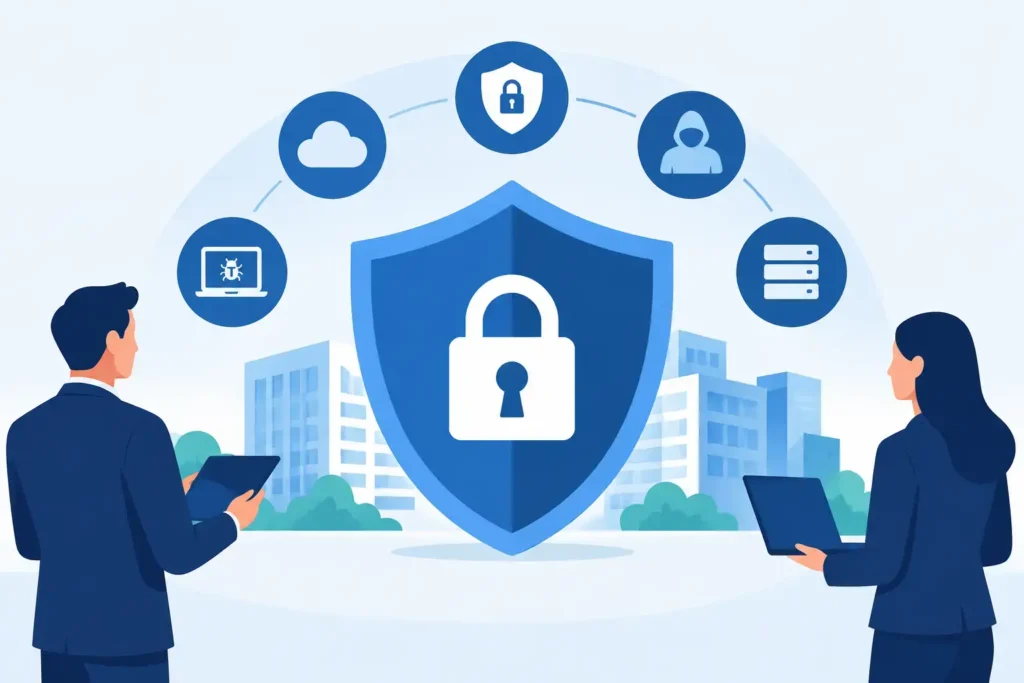
A single fraudulent payment request can create a six-figure problem before anyone realizes a message was fake. That is why cyber insurance trends 2026 matter to more than technology companies. From professional offices and retailers to contractors, healthcare practices, and regulated cannabis businesses, organizations of every size are relying more heavily on digital systems and facing more pressure to protect them.
Cyber insurance remains a valuable financial safeguard, but the policy landscape is becoming more detailed. Carriers are looking closely at how a business manages its technology, vendors, money movement, and incident response. The goal is not to make coverage harder to obtain. It is to make sure the protection reflects the risk a business actually faces.
Cyber Insurance Trends 2026: What Is Changing
The biggest shift is that cyber insurance is increasingly tied to everyday business practices. A policy application is no longer just a list of revenue figures, employee counts, and basic security questions. Underwriters want to understand whether the company has meaningful controls in place and whether those controls are being used consistently.
This can be a positive development for prepared businesses. Better security practices can reduce the chance of a serious event while also making a company more attractive to insurers. However, businesses that delay basic safeguards may see fewer coverage options, higher premiums, higher deductibles, or narrower terms.
The details vary by industry, size, claims history, and the type of data a company handles. A small local business that processes customer payments has different exposures than a law firm handling confidential files or a cannabis operator using point-of-sale, inventory, and compliance systems. A thoughtful insurance review should account for those differences rather than treating cyber coverage as one-size-fits-all.
AI Is Making Impersonation More Convincing
Artificial intelligence is changing the cyber risk conversation, especially around social engineering and funds transfer fraud. Criminals can use AI to write believable messages, imitate a vendor’s tone, research company leadership, and create voice or video content that appears to come from a trusted person.
The practical concern is not simply that an employee may click a suspicious link. A finance employee may receive what looks like an urgent request from an executive. A property manager may be sent altered payment instructions from a familiar contractor. A payroll team may be asked to change direct-deposit information after receiving a realistic email or phone call.
Cyber policies can address certain financial losses tied to social engineering, computer fraud, and funds transfer fraud. But coverage terms differ substantially. Some policies require verification procedures to be followed before a claim is covered. Others may provide a smaller limit for these losses than for ransomware or data breach expenses.
In 2026, businesses should review the wording of these coverages rather than assuming any cyber policy pays for every deceptive payment request. A simple callback process using a known phone number, dual approval for wire changes, and employee training can make a major difference in both loss prevention and claim outcomes.
Underwriting Will Focus on Core Security Controls
Most businesses do not need a large in-house IT department to meet common cyber insurance expectations. They do need to show that they take basic protection seriously. Multi-factor authentication, secure backups, timely software updates, endpoint protection, and employee awareness training are now central parts of many underwriting conversations.
Multi-factor authentication is particularly important because stolen passwords remain a common path into business accounts. It should protect email, remote access, administrative accounts, cloud applications, and financial platforms whenever possible. If multi-factor authentication is available but employees can bypass it, the protection may be weaker than a business realizes.
Backups also deserve close attention. A backup is helpful only if it can be restored when systems are unavailable or encrypted by ransomware. Businesses should consider whether backups are separated from the primary network, tested regularly, and able to restore essential operations within a reasonable timeframe.
Carriers may also ask about patch management, privileged access, encryption, vendor controls, and whether an organization has experienced prior incidents. These questions can feel technical, but they are really about business continuity. If a system fails or is compromised, how quickly can the company continue serving clients, collecting payments, and accessing critical records?
More Attention to Vendor and Supply Chain Risk
A business can maintain strong internal controls and still be affected by a vendor’s security failure. Cloud software providers, payroll processors, managed IT firms, payment platforms, and marketing vendors may all hold sensitive information or connect to important systems.
This creates a growing supply chain concern. In some incidents, the problem begins with a third party, but the business still has to notify customers, investigate the breach, answer regulator questions, or defend against claims. Cyber insurance may help with these costs, depending on the policy and the circumstances.
Business owners should know which vendors hold customer information, payment details, employee records, or login credentials. Contracts should be reviewed carefully, particularly provisions that limit a vendor’s responsibility after a breach. Insurance is not a replacement for vendor due diligence, but it can be an important part of the financial response when outside systems create disruption.
Coverage Is Becoming More Specific
A cyber policy is often described as protection for a data breach or ransomware attack, but those are only part of the picture. Coverage may include forensic investigation, legal guidance, customer notification, credit monitoring, public relations support, data restoration, business interruption, cyber extortion, and defense costs.
The key question is not whether a policy has a long list of coverage labels. It is whether the limits, waiting periods, exclusions, and sublimits fit the business. For example, business interruption coverage can be essential for a company that cannot operate without its software or online platform. A professional practice may place greater value on privacy liability and breach response. A business that regularly sends wires may need to examine social engineering limits closely.
Some policies also address dependent business interruption, which may apply when a critical outside provider experiences a cyber event. This can be useful, but the definition of a dependent provider and the waiting period matter. Companies should also ask how a policy treats system failure that is not caused by a malicious attack, since outages can be just as disruptive.
Fast Response Matters as Much as the Policy Limit
When a cyber event occurs, the first hours can shape the entire outcome. A good cyber policy commonly gives the insured access to a breach coach, forensic professionals, privacy counsel, and other response specialists. Using those resources promptly may help contain the incident, preserve evidence, and meet legal obligations.
Businesses should avoid trying to investigate a serious incident alone or paying a ransom, notifying customers, or admitting fault before speaking with the appropriate professionals. Policies often have reporting conditions and approved vendor requirements. Waiting too long can create avoidable coverage questions and allow an attacker more time to cause damage.
An incident response plan does not have to be complicated. It should identify who can make decisions, how to reach the IT provider after hours, how to contact the insurer, and how internal and external communications will be handled. A short, tested plan is more useful than a lengthy document no one can locate during a crisis.
How Businesses Can Prepare for Cyber Insurance in 2026
Preparation starts with an honest view of the business’s digital operations. Owners should identify where sensitive data lives, who has access to it, which systems are necessary to keep operating, and where money can move electronically. That information helps determine both the security priorities and the coverage limits that make sense.
Before renewing or purchasing a policy, review whether multi-factor authentication is active across critical accounts, whether backups have been tested, and whether employees know how to report suspicious messages. Confirm that payment changes require independent verification. Review vendor relationships and remove former employees or unused accounts from systems that contain sensitive information.
It is also wise to gather the information an insurer may request before an application is due. This reduces last-minute uncertainty and gives the business time to address a security gap before it affects pricing or eligibility. For organizations with complex operations, a conversation with an experienced insurance advisor can help translate technical questions into practical decisions.
The right cyber policy should support the way your business actually operates, not merely satisfy a contract requirement. NewEdge Insurance Agency can help clients evaluate cyber exposures in plain English, so coverage decisions feel clear before a stressful event puts them to the test.